The Complete Kashmir Travel Guide: Everything You Need to Know
From the best time to visit to must-try cuisine, this comprehensive guide covers everything for planning your perfect Kashmir trip.
Kashmir isn’t just pretty. It’s layered. Snow peaks, pine forests, saffron fields, wooden mosques, frozen lakes, busy bazaars. You can ski in the morning and sip kahwa by a quiet lake in the evening (yes, in the same trip).
Here’s how to plan it right.
Where Exactly Is Kashmir?
Kashmir sits in the northernmost part of India, in the union territory of Jammu and Kashmir. The main tourist belt runs through the Kashmir Valley: Srinagar, Gulmarg, Pahalgam, Sonamarg.
The nearest airport is in Srinagar. From there, everything is a few hours by road.
Best Time to Visit Kashmir
It depends on what you want.
March to May (Spring)
Tulips bloom at Indira Gandhi Memorial Tulip Garden. Snow still sits on the mountains. Days are cool, nights cold. Great for photos.
June to August (Summer)
Green meadows. Clear skies. Perfect for sightseeing and light trekking. It’s peak season, so prices climb.
September to November (Autumn)
Chinar trees turn red and gold. Fewer tourists. Crisp air. This might be the most underrated season.
December to February (Winter)
Snow everywhere. Ski season in Gulmarg. Roads can close after heavy snowfall, so keep buffer days.
If you hate crowds, skip May and June. If you hate cold, skip winter. Simple.
How to Reach Kashmir
Most people fly into Srinagar Airport. Direct flights run from Delhi, Mumbai, Bangalore.
You can also take a train to Jammu and then drive 8 to 10 hours to Srinagar. The highway is scenic but landslides happen in monsoon and winter. Build flexibility into your plan.
Top Places to Visit
1. Srinagar
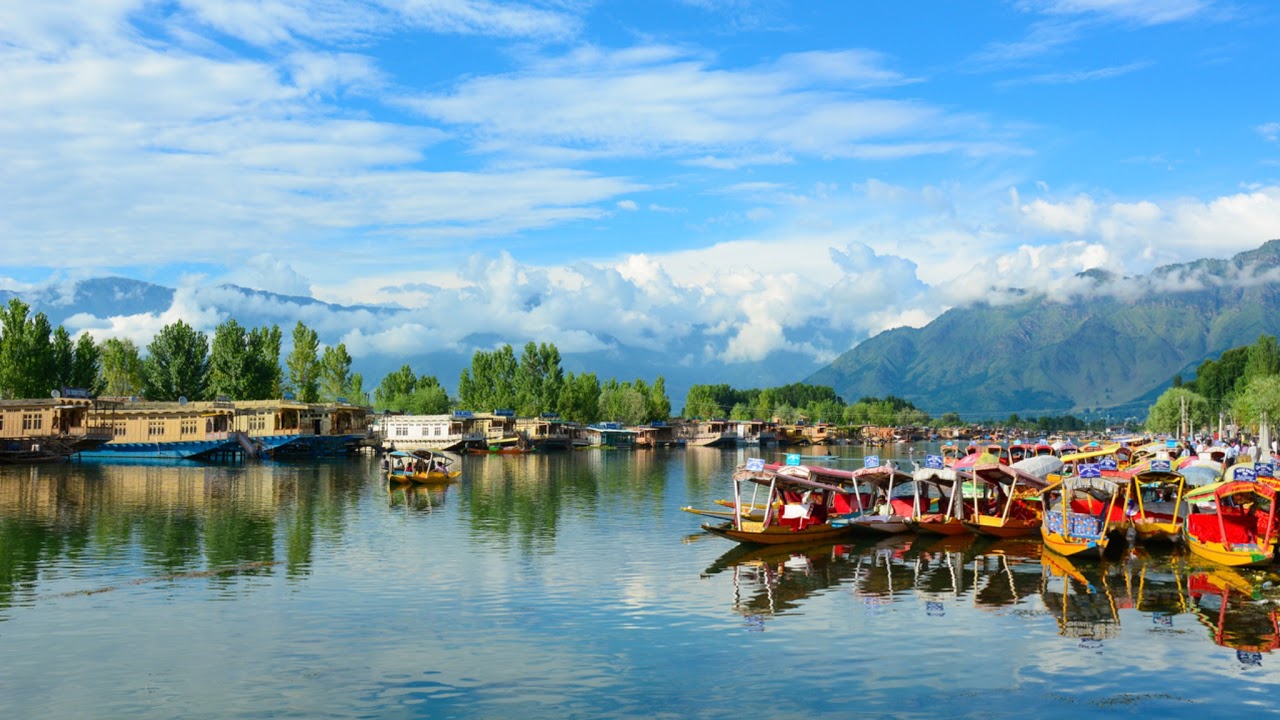
Dal Lake is the heart of the city. Stay in a houseboat. Take a shikara ride at sunrise (it’s quiet and the light is soft). Walk through the Mughal gardens like Shalimar Bagh.
Old Srinagar feels different. Wooden houses, narrow lanes, historic mosques. It’s less polished, more real.
2. Gulmarg
Known for skiing and the famous Gulmarg Gondola, one of the highest cable cars in the world. Even in summer, the views from Phase 2 feel alpine.
In winter, this place turns serious. Powder snow. Ski instructors. Snow bikes. If you’ve never seen heavy snowfall, this is where you should.
3. Pahalgam
River views, pine forests, easy walks. Betaab Valley and Aru Valley are close by. Good base for families.
It’s also the starting point for the Amarnath Yatra. If you’re visiting during that time, expect traffic and crowds.
4. Sonamarg
Less commercial. Wide open valleys. Glaciers like Thajiwas are accessible by pony or short trek. Roads close in deep winter.
If you like raw landscapes over cafes and markets, Sonamarg wins.
Must-Try Kashmiri Food
Start with Rogan Josh. Slow-cooked lamb in red gravy. Then Yakhni, which is yogurt-based and lighter.
Vegetarian? Try Dum Aloo and Nadru Yakhni (lotus stem cooked in yogurt gravy). Street food like seekh kebabs near Dal Lake hits different in cold weather.
And don’t skip Kahwa. Green tea with saffron, almonds, cardamom. It warms you fast.
How Many Days Do You Need?
Minimum 4 days: Srinagar + Gulmarg.
Ideal 6 to 7 days: Add Pahalgam and Sonamarg.
More than 8 days? Include Doodhpathri or Yusmarg for quieter spots.
Short trips work, but you’ll rush. Kashmir isn’t a checklist place.
Budget Breakdown (Rough)
Budget trip: ₹2,000 to ₹3,000 per day (shared taxis, basic hotels).
Mid-range: ₹4,000 to ₹7,000 per day.
Luxury houseboats and premium hotels can cross ₹12,000 per night.
Snow activities in Gulmarg cost extra. Gondola tickets are separate and sell out in peak winter.
Safety and Practical Tips
Kashmir is safe for tourists. That said, follow local advice. If there’s a strike or weather warning, adjust plans.
Internet restrictions happen occasionally. Download offline maps.
Carry cash. Smaller towns don’t always accept cards.
In winter, pack thermals, waterproof shoes, gloves. Regular sneakers won’t survive snow (you’ll regret it).
What Makes Kashmir Different?
It’s the mix. Islamic architecture, Persian influence, Himalayan geography, and a strong local identity.
Kashmir isn’t just scenery. It’s conversations over tea. It’s shopkeepers who insist you sit. It’s quiet mornings on Dal Lake when the mountains reflect perfectly and you don’t feel rushed.
You don’t just see Kashmir. You experience it.
And if you plan it well, you’ll want to come back.