The Kashmiri Wazwan: A Guide to the Royal Feast
Explore the 36-course traditional Kashmiri feast — its history, rituals, signature dishes, and where to experience it authentically.
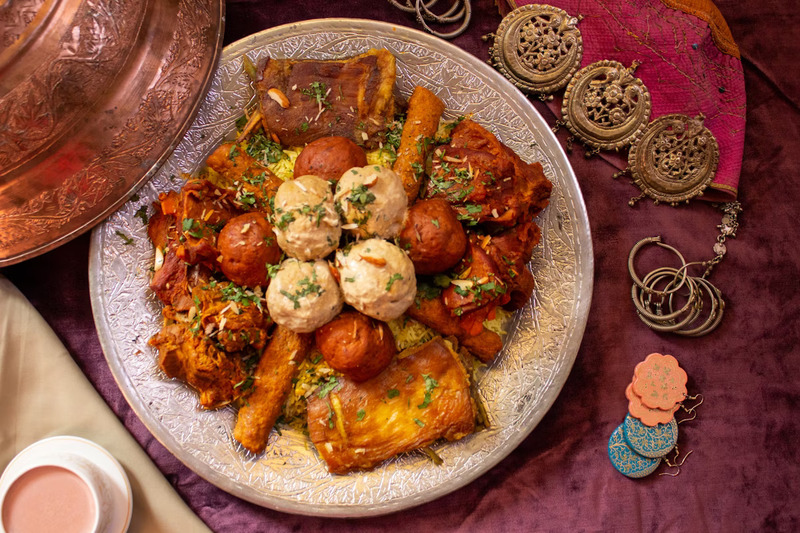
Wazwan isn’t just food. It’s ceremony, pride, and skill on a copper platter.
It’s the grand feast of Kashmiri Muslim culture. Weddings, major celebrations, important guests. When Wazwan is served, it means the occasion matters.
And yes, it’s famous for having up to 36 dishes. But it’s not about the number. It’s about precision.
What Is Wazwan?
Wazwan is a multi-course meal built mainly around mutton. Every dish is prepared by trained chefs called wazas.
The cooking happens overnight. Large copper vessels. Wood fire. Manual pounding of meat with wooden mallets. No shortcuts.
The result is food that tastes deep, rich, layered. Not spicy for heat. Spiced for flavor.
The History Behind It
Wazwan has Persian and Central Asian roots. Those influences came through trade and royal courts centuries ago.
Over time, Kashmir shaped it into something unique. Local spices. Local techniques. Local pride.
Here’s the thing. In Kashmir, a family’s reputation at weddings partly depends on how good the Wazwan is. That tells you everything.
How It’s Served
Traditionally, four people share one large copper plate called a trami.
Before the food arrives, a ritual hand wash happens. A portable basin is brought to the guests. Clean hands. Clean start.
Rice is served first. Then dishes arrive in a specific order. You don’t rush it. You don’t waste it.
Sharing from the same plate isn’t awkward. It’s part of the experience.
Signature Dishes You’ll See
Not all 36 appear every time, but these are the stars.
Rista
Soft meatballs in a bright red gravy. The color comes from Kashmiri chili, which adds color more than heat.
The texture matters. If it’s not smooth and airy, the waza hasn’t done it right.
Gushtaba
Often served last. Large meatballs in a creamy yogurt-based gravy.
People call it the “king of Wazwan.” It signals the feast is ending. Rich, heavy, satisfying.
Rogan Josh
Slow-cooked mutton in red gravy infused with fennel and dry ginger.
It’s widely known outside Kashmir, but in Wazwan, it tastes deeper and less oily than restaurant versions.
Tabak Maaz
Crispy fried ribs. Tender inside, golden outside.
This is usually the first meat dish placed on the rice. It sets the tone.
Yakhni
Mutton cooked in yogurt gravy with mild spices.
Lighter than it looks. Calms the palate between richer dishes.
The Role of the Waza
A head chef called the Vasta Waza leads the team.
Training takes years. Techniques are passed down through families. Precision is everything: meat quality, spice balance, timing.
A great waza is respected like an artist.
Is It Always 36 Dishes?
Not really.
Weddings may include 20 to 30 dishes. Smaller gatherings serve fewer. The “36-course” label is symbolic now.
What matters is quality, not count.
Vegetarian Wazwan?
Traditional Wazwan is meat-heavy. That’s the truth.
But modern weddings sometimes include vegetarian adaptations like:
- Dum Aloo
- Nadru Yakhni
- Chaman (paneer dish)
Still, the core identity of Wazwan remains centered on mutton.
Where to Experience Authentic Wazwan
The most authentic experience is at a local wedding. That’s not always possible.
In Srinagar, some traditional restaurants prepare proper Wazwan meals. Ask locals for places known for wedding-style preparation, not tourist buffets.
If you’re booking for a group, you can request a full trami experience instead of ordering individual plates. It feels different.
How to Eat It Properly
Use your right hand.
Mix a little gravy into the rice. Take small portions at a time. Pace yourself. Gushtaba comes last, and it’s heavy.
And don’t waste food. In Kashmiri culture, leaving large amounts untouched is frowned upon.
Why Wazwan Matters
It’s not just a feast. It shows hospitality, craftsmanship, and heritage.
Recipes survive through memory, not just books. Skills pass from one generation of wazas to the next.
You don’t just eat Wazwan. You take part in something that has shaped Kashmiri celebrations for centuries.
And once you’ve had a real one, you’ll know the difference.