Winter in Kashmir: A Magical Snow Experience
Discover why winter transforms Kashmir into a white wonderland. Skiing in Gulmarg, frozen Dal Lake, and snow-dusted villages await.
Winter changes everything.
The same valleys that glow green in summer turn white and silent. Roofs carry snow caps. Trees stand still. Lakes freeze at the edges. The air feels sharper, cleaner.
If you’ve never seen real snowfall, Kashmir in winter will stay with you.
When Does Winter Start?
Snow usually begins in late December and peaks in January and February.
Temperatures in Srinagar can drop below 0°C at night. In Gulmarg, it goes much lower. Some mornings feel unreal. Ice on cars. Frost on windows. Smoke rising from homes before sunrise.
If you want guaranteed snow, aim for mid-January to mid-February.
Gulmarg: Skiing and Deep Snow
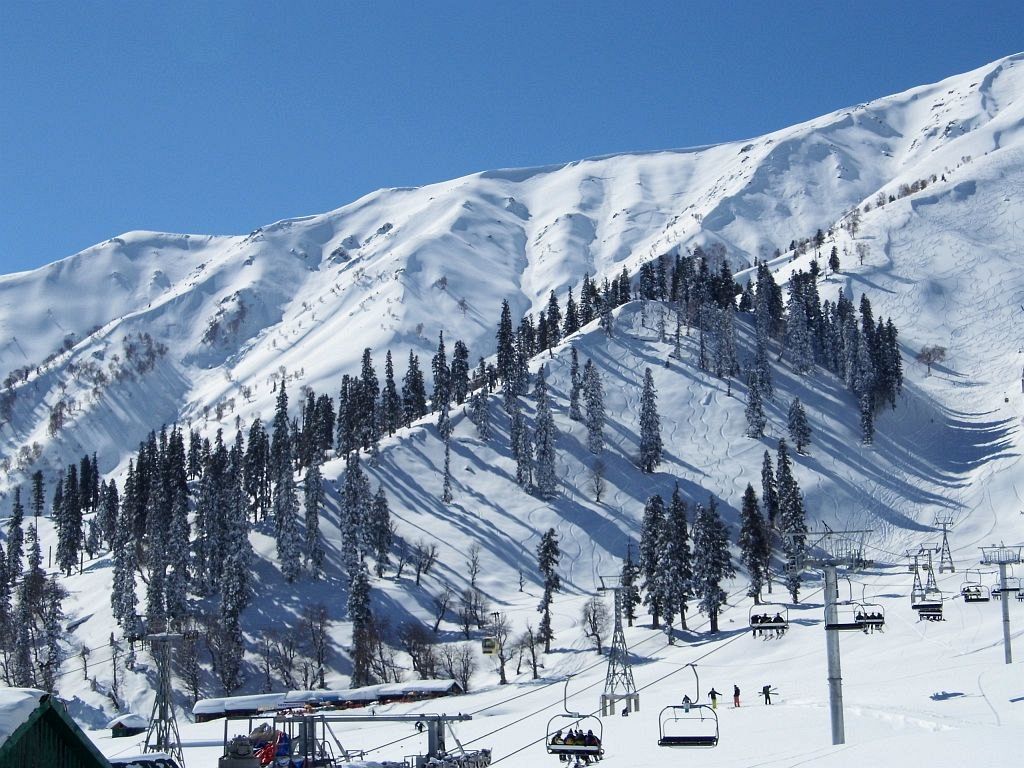
Gulmarg turns into India’s top winter sports hub.
The slopes fill with skiers and snowboarders. The Gulmarg Gondola carries you above 13,000 feet. From there, it’s white in every direction.
You don’t need to be a pro. Beginner slopes are available. Instructors and gear rentals are easy to find. Just book through registered operators and agree on the price clearly before starting.
Even if you don’t ski, walking through thick snow while pine trees carry white layers feels surreal.
Frozen Dal Lake
Dal Lake doesn’t freeze fully every year, but in colder winters, parts of it turn solid.
Houseboats look different in winter. Fewer tourists. Quiet mornings. Light fog hovering above the water.
Shikara rides still operate unless conditions are extreme. Wrap up well. The cold wind over water cuts fast.
Here’s the thing. Dal Lake in winter feels intimate. Not crowded. Not noisy. Just still.
Snow-Dusted Villages
Drive toward Tangmarg, Shopian, or smaller villages around Srinagar.
You’ll see:
- Children building snowmen
- Wooden homes under thick white layers
- Locals clearing snow from rooftops
It’s everyday life, not a tourist show. That’s what makes it special.
Roads in remote areas may close after heavy snowfall. Always check conditions before heading out.
What Winter Feels Like
It’s not just about snow.
It’s kangris under pherans. It’s hot noon chai in cold kitchens. It’s the smell of firewood in the air.
Locals call the harshest winter period “Chillai Kalan,” roughly 40 days of intense cold starting late December. That’s when lakes partially freeze and pipes can ice over.
It’s tough for residents. Beautiful for visitors. That contrast is real.
What to Pack
Don’t underestimate the cold.
Carry:
- Thermal base layers
- Waterproof boots with grip
- Thick socks
- Gloves and wool cap
- Heavy jacket (not just stylish, actually insulated)
Regular sneakers won’t survive snow. You’ll slip. Your feet will freeze.
Transport and Road Conditions
Flights can get delayed due to fog or snow.
Roads to Gulmarg and Sonamarg may close temporarily after heavy snowfall. Keep buffer days in your itinerary.
If you’re driving, snow chains might be required in certain stretches. Local drivers handle winter roads better than first-time visitors.
Is Winter Good for Families?
Yes, with planning.
Kids love snow. But extreme cold can be uncomfortable for elderly travelers.
If someone in your group struggles with cold weather, plan shorter outdoor sessions. Warm indoor breaks matter.
Why Winter Feels Magical
Snow simplifies the landscape.
No bright colors. No busy noise. Just white fields, dark trees, and mountain outlines.
You hear your footsteps. You see your breath. Time slows down a little.
It’s not the easiest season. But if you want Kashmir at its most dramatic and quiet, winter is the one.